One engineer. Twelve years.
Spartan Engine
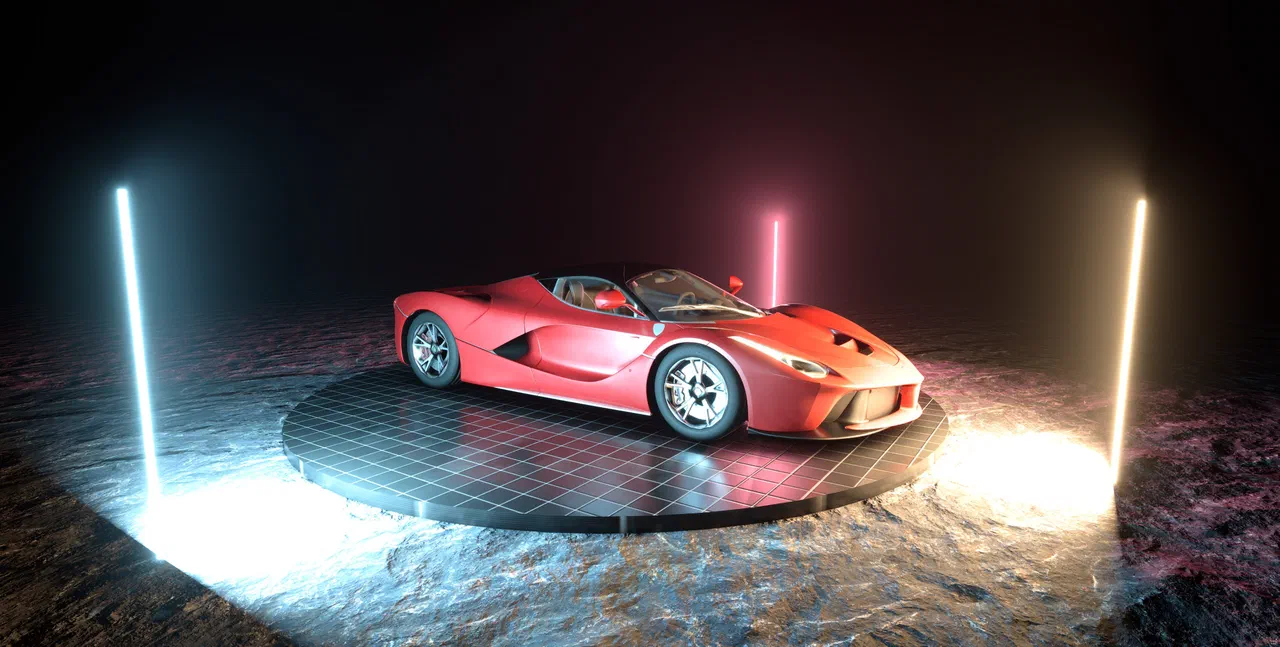
A bindless, GPU-driven renderer with real-time path-traced global illumination, hardware ray tracing, and a vehicle simulation running at 200 Hz. It started as a university project. It is now the thing I am known for.
 Spartan Engine / In motion
The trailer
See it move
The principle
The GPU owns the data
Every resource — geometry, materials, textures, lights, transforms, bounding volumes — lives in persistent, globally accessible buffers. No per-draw descriptor updates. No per-draw resource binding. No CPU-side draw loops. One philosophy applied without compromise: favour real-time over baked, dynamic over static, modern over safe.
Under the hood
What is actually in there
Architecture
- Zero-binding draw path, all per-draw data in a single bindless storage buffer with push constants carrying only an index
- One global vertex and index buffer for all geometry, with vertex pulling that bypasses the input assembler and is shared by rasterisation and ray tracing
- GPU-driven indirect rendering with per-meshlet frustum, Hi-Z occlusion and backface cone culling, one DrawIndexedIndirectCount per pass
- Meshlet clustering via meshoptimizer, with no mesh shader dependency
- Universal HLSL compiled for both Vulkan (SPIR-V) and DirectX 12
- GPU-side asset processing: mip generation and texture compression at load time, not baked offline
Lighting and global illumination
- ReSTIR path tracing with spatiotemporal reservoir resampling for real-time multi-bounce global illumination
- Clustered deferred shading on a GPU-built logarithmic-Z grid, scaling to many local lights at near-constant per-pixel cost
- Hardware ray-traced reflections and shadows via ray queries
- Volumetric clouds baked into the sky panorama, with multi-scatter lighting and aerial perspective
- Froxel volumetric fog with temporal reprojection, sun shafts and underwater caustics
- Tessendorf FFT ocean with multi-cascade IFFT in compute, driving a camera-following clipmap
- Screen-space shadows and XeGTAO ambient occlusion
Performance and image quality
- Variable rate shading and dynamic resolution scaling
- TAAU, Halton-jittered with variance-clip history reprojection
- Intel XeSS 3 upscaling
- Physically based camera with auto-exposure and physical light units in lumens and kelvin
- ACES, AgX and Gran Turismo 7 tonemappers, with HDR10 output
- Custom GPU breadcrumbs for crash tracing and post-mortem debugging
Beyond rendering
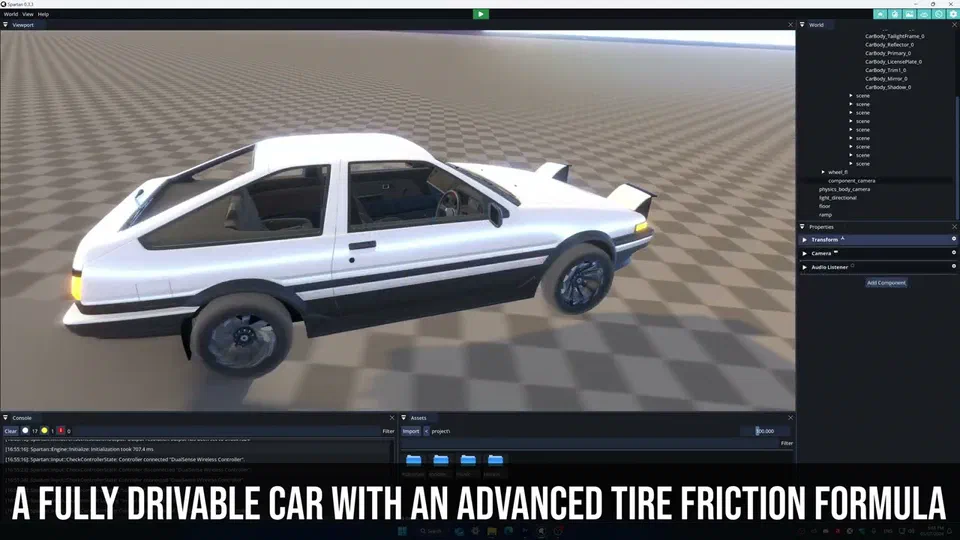
- Vehicle dynamics at 200 Hz: Pacejka MF 5.2 tyres with thermal, pressure and wear models, LSD differentials, thermal brake fade and ABS
- PhysX rigid bodies, character kinematics and vehicle physics
- Full skeletal animation with crossfade blending and two-bone IK with ground-aware foot planting
- Lua 5.4 scripting through Sol2, with the full engine API and lifecycle callbacks
- Nsight-style profiler with separate graphics and async compute lanes, plus a memory fragmentation viewer
- OpenXR VR with multiview single-pass stereo, work in progress
Worlds
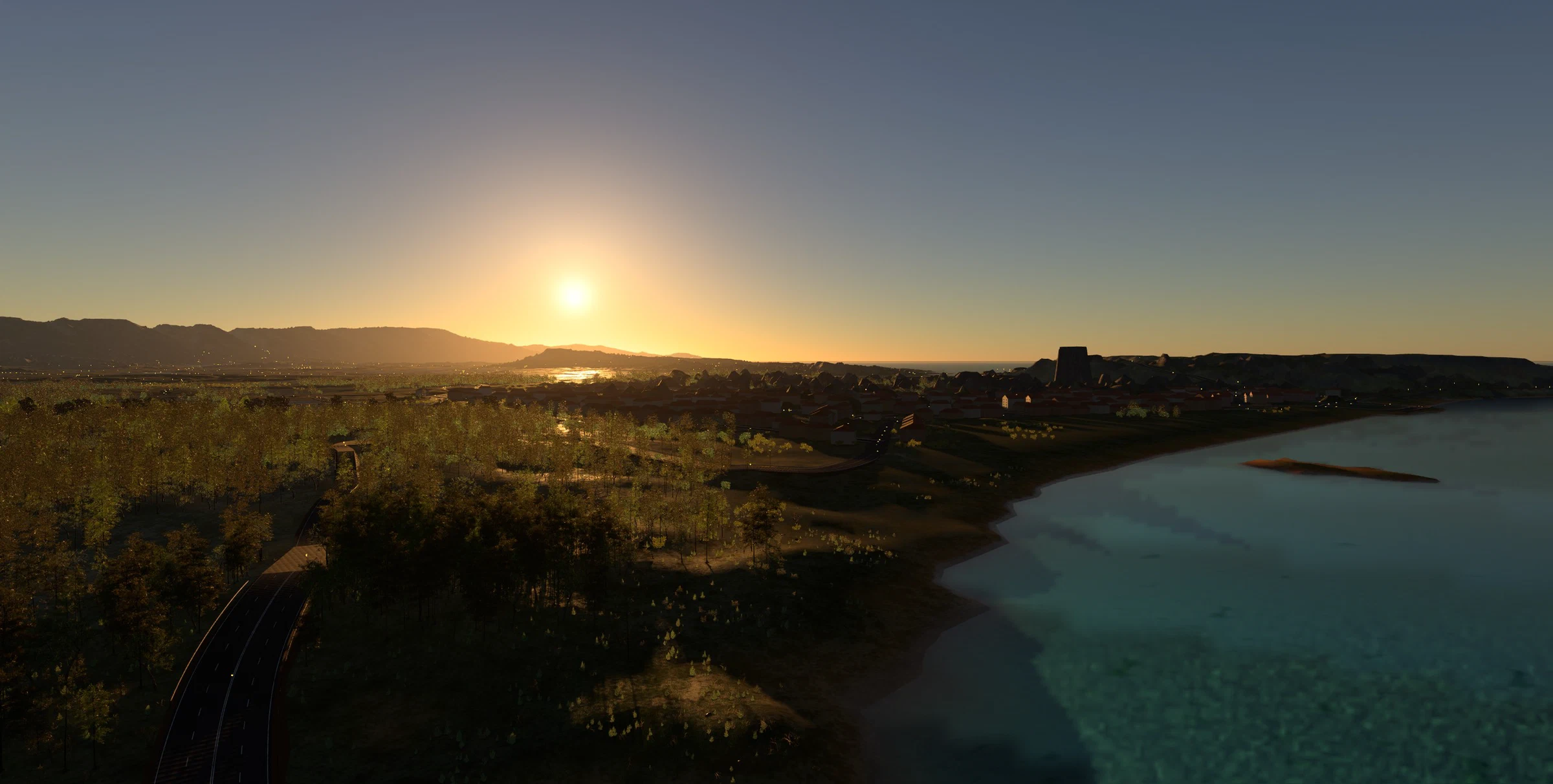
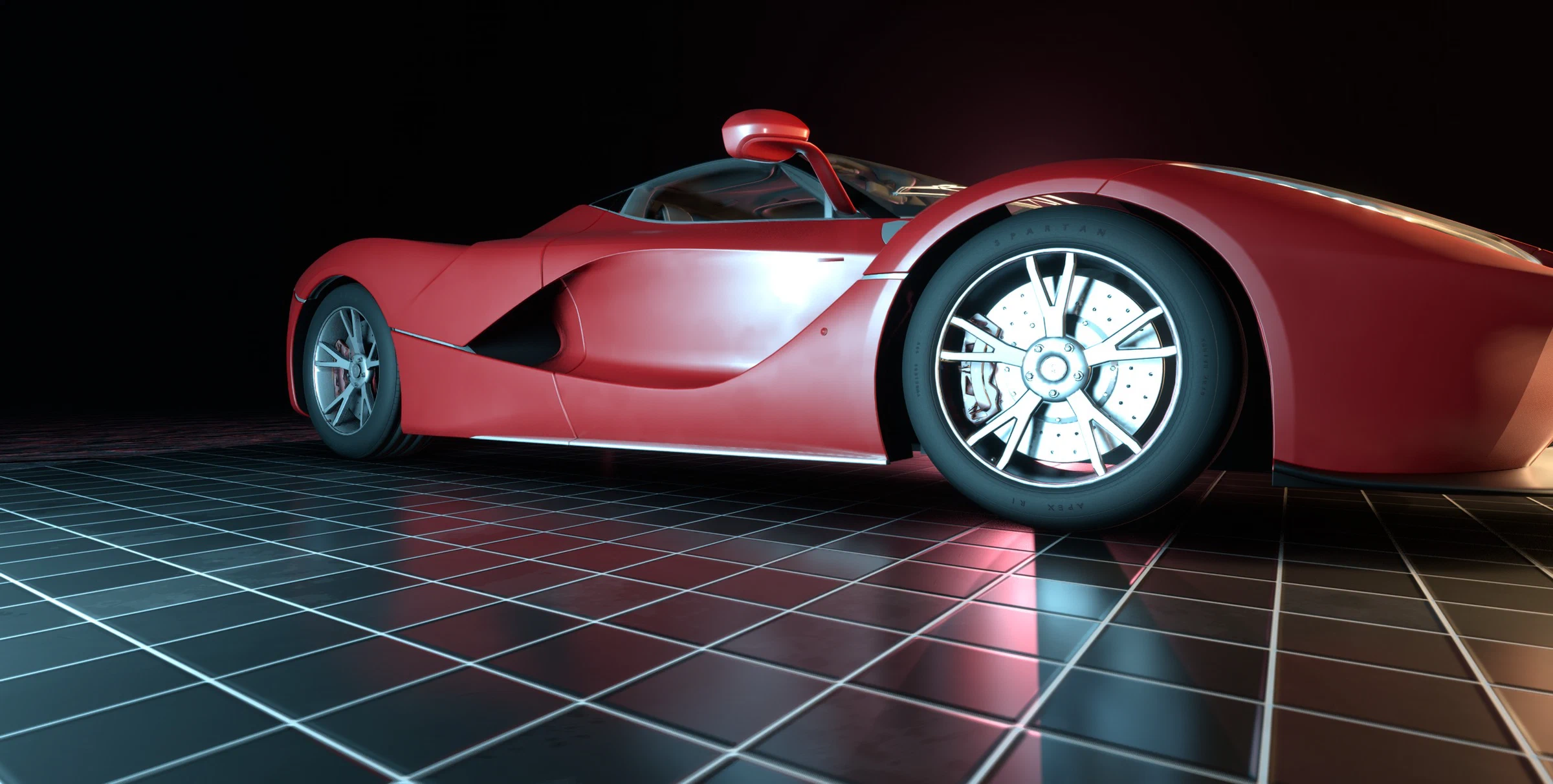
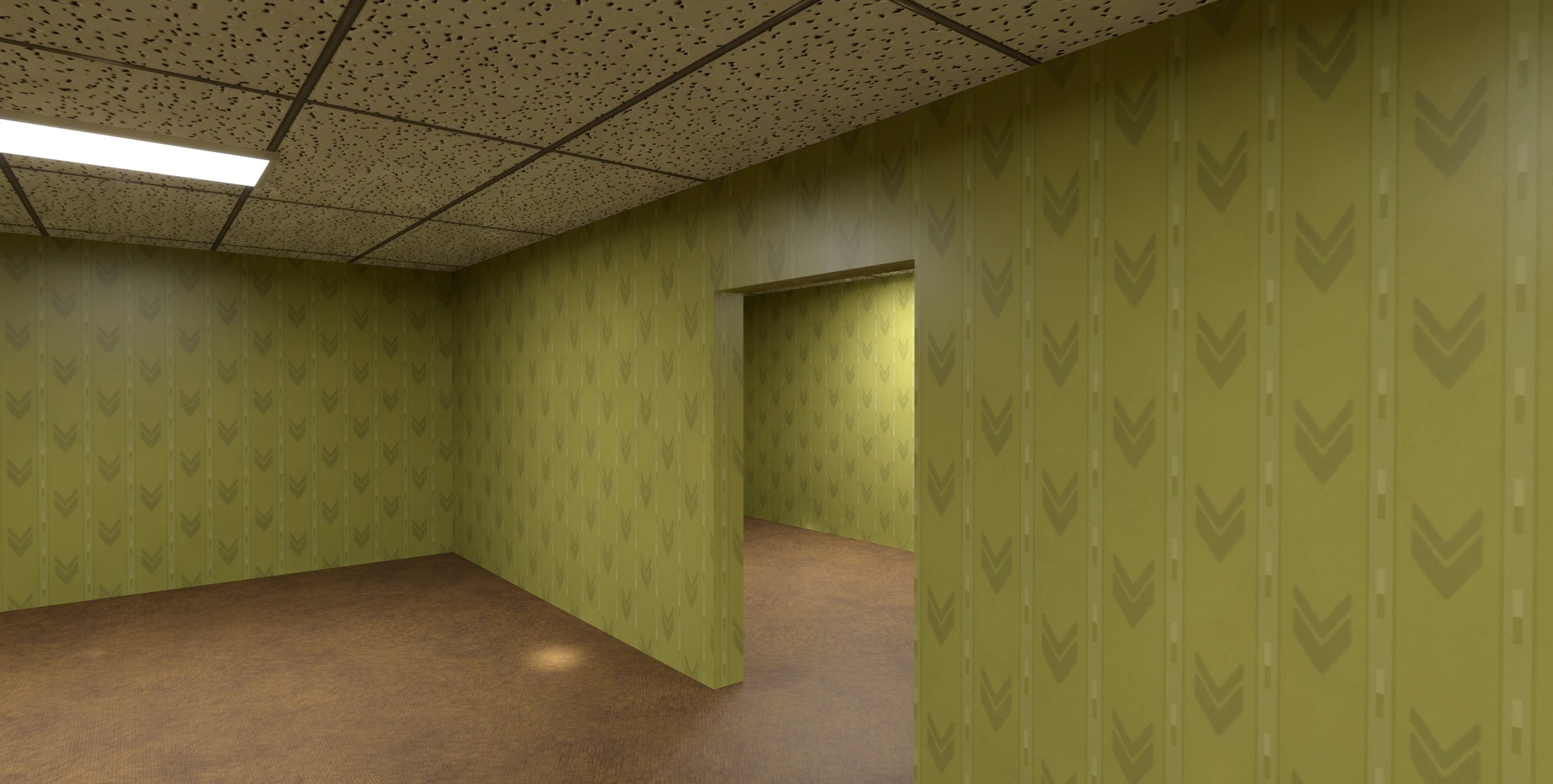
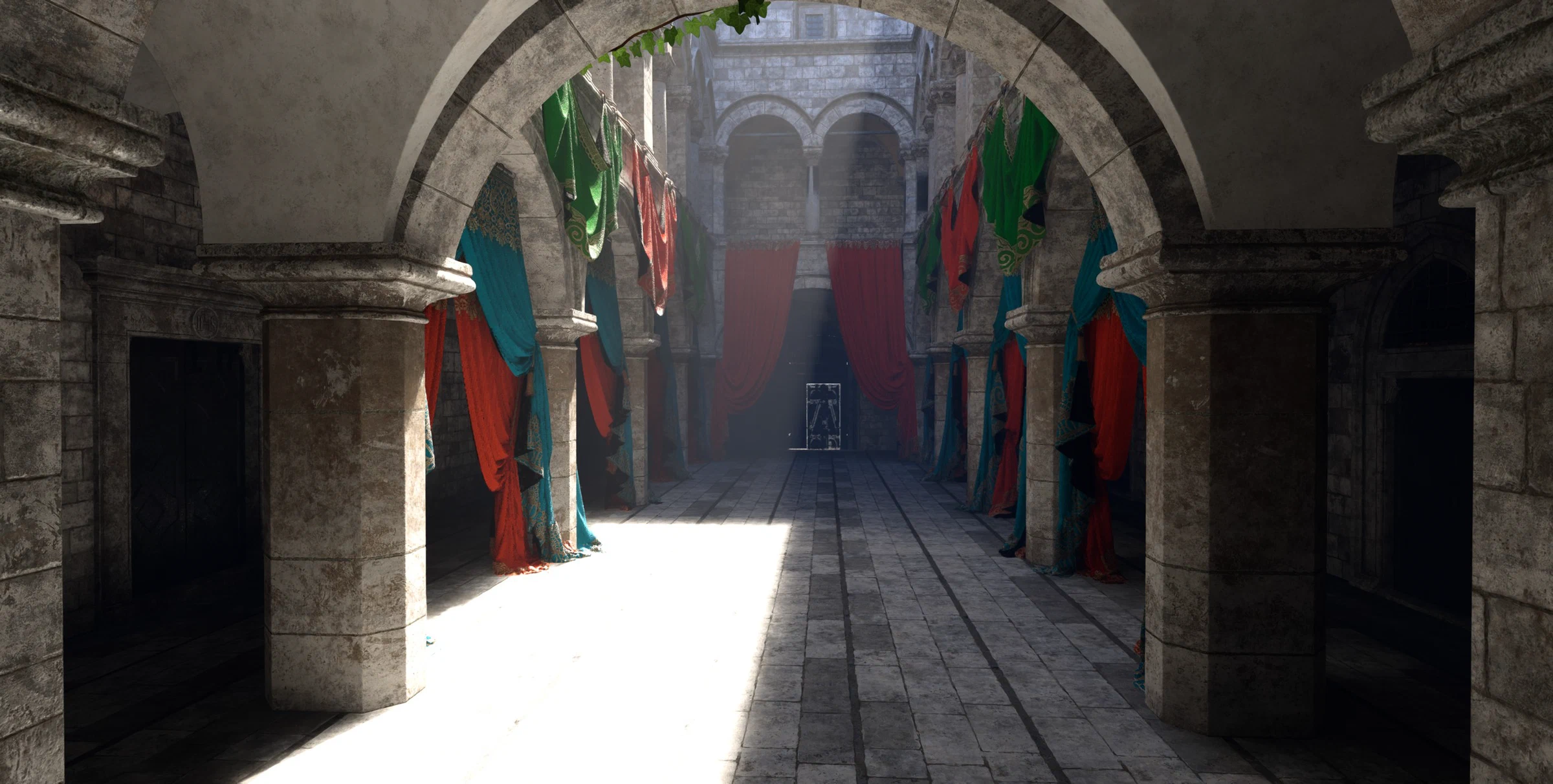
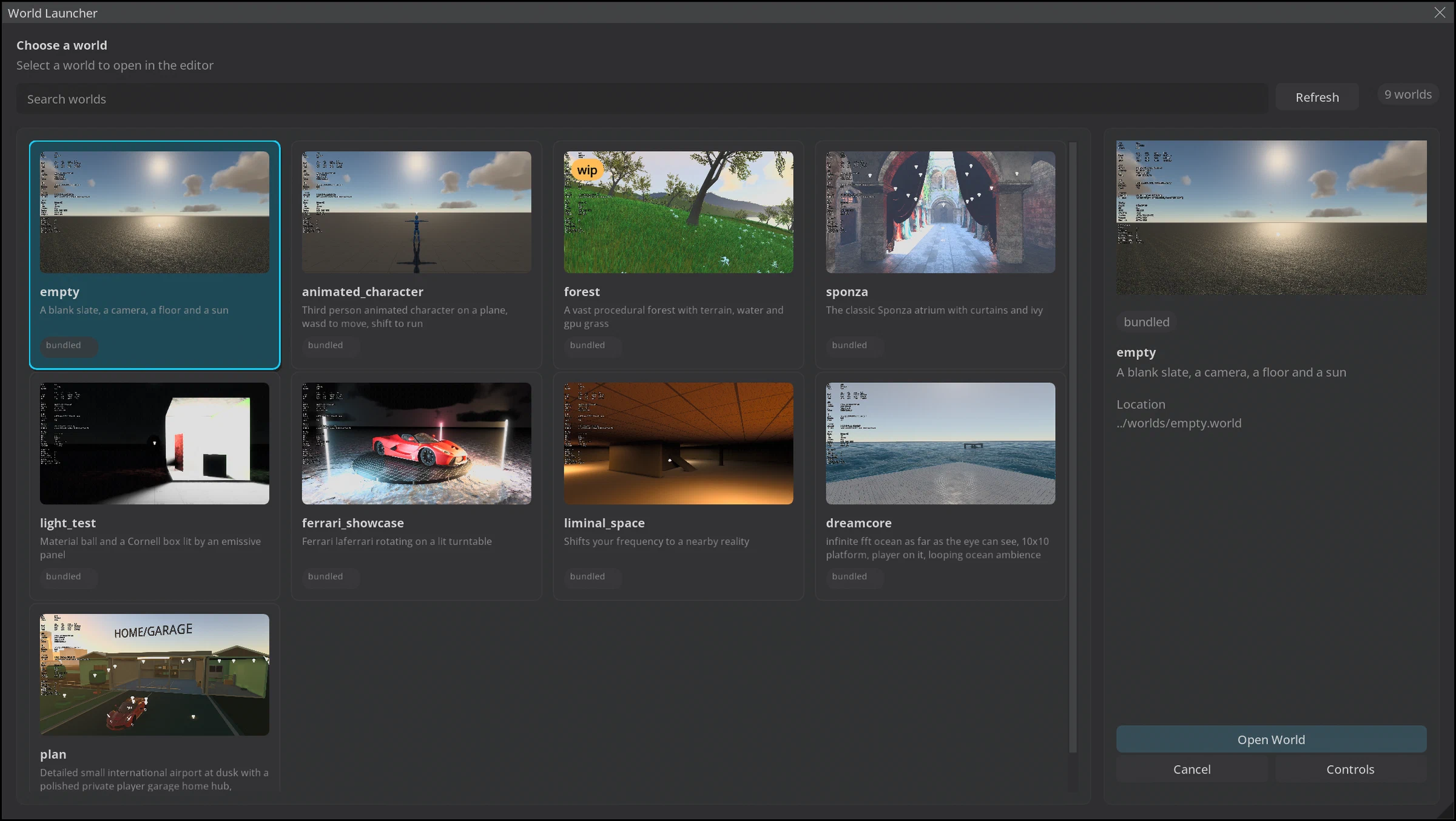
Nine of them ship with the engine
Nothing here is a canned demo. Every world is physics-enabled — walk around, pick objects up with the mouse, or take a car for a spin.
Why it exists
I had to “finish” this project inside a year so I could use it as a ticket out of Greece and into a studio that would have me. To get there I worked 100-hour weeks, roughly fourteen hours a day, every day. It worked. It also never stopped.
Twelve years later it is still the same codebase, and I have rewritten almost every system in it multiple times. Every single rewrite came out simpler than what it replaced. That is not what people expect to hear about a maturing system, and it is the most useful thing I have learned from building this.
This is what a codebase looks like when one person owns every line for a decade. No legacy committees. No half-migrated architectures. No “we’ll fix it in the next version.”
It is a personal R&D engine, not a commercial product. No roadmap promises, no support queue, no compromises on the vision. There is a destination that gives all of this a purpose — the plan is in the repository if you are curious.
Out in the wild
Where this code ended up
I did not plan any of these. People found the source and used it.
Godot Engine
Ships Spartan's temporal anti-aliasing resolve.
S.T.A.L.K.E.R. Anomaly
A rendering addon built on Spartan's source.
A published programming book
Jesse Guerrero's beginner programming book features Spartan's code and community.
University of Thessaly
Where it began, as a thesis and portfolio piece.
Get involved
Build it, break it, or just come and argue about it
One-click project generation, a wiki that covers the build and the Lua API, and 600+ engineers on Discord who will happily tell you what you got wrong. Contributors get access to perks designed to accelerate learning.